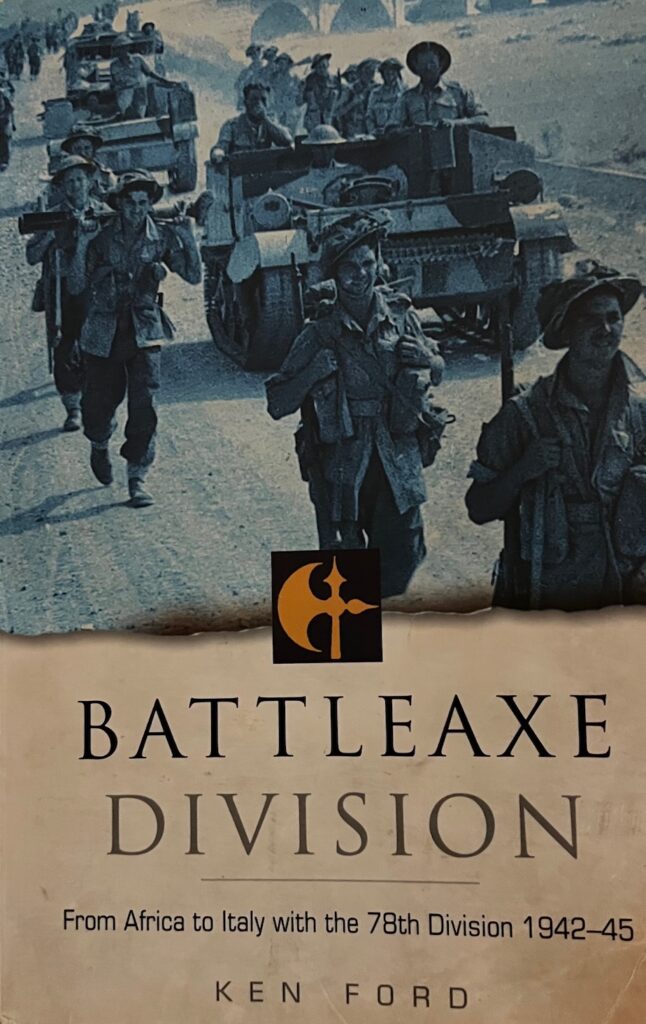
Month-by-month details of the journey of the Irish Brigade from their landings in Algiers in November 1942 until final victory in northern Italy at the end of April 1945. In the monthly guides, you will find a summary of key actions and dates, links to the transcribed brigade and battalion war diaries, personal narratives and links to photographs taken at CWGC cemeteries in Tunisia and Italy.
TUNISIA
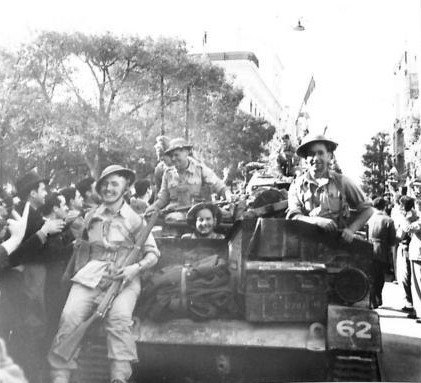
Two battalions of 38 (Irish) Brigade left Greenock on 11 November 1942 and arrived in North Africa on 22 November 1942, along with the rest of 6th Armoured Division as part of 1st Army. After two weeks of initial preparation in the Algiers area, the troops moved by sea to Bougie and then by truck to the Tunisian front line and assembled in the Goubellat Area, about 70 miles west of Tunis. The brigade’s third battalion, the 1st Bn. Royal Irish Fusiliers, were delayed on route and were only able to reach the battlefield area in mid December 1942
Over the next six months, the Irish Brigade were involved in numerous actions in the wide spread plains across the Goubellat/Bou Arada area before playing a most vital part in the final breakthrough of the djebels north of Medjez-el-Bab. The brigade were transferred to the 78th Infantry Division in March 1943 and the 2nd Bn. London Irish Rifles were the first marching troops to enter Tunis on 8 May 1943.
The Irish Brigade joined the 1st Army’s Victory Parade on 20 May 1943 before returning to Guelma in Algeria for a vital period of reorganisation and training and then, after joining up with General Montgomery’s 8th Army, they moved to the beachfront at Hammamet area before embarking for Sicily in late July 1943.
ITALY/AUSTRIA
The Irish Brigade started arriving in Sicily on 26 July 1943 and moved to the front line west of Mount Etna and were involved in four battles from 2 to 13 August 1943. After resting for 4 weeks on the north coast of the island near Patti/Tindari, they were en-shipped to Taranto in the south eastern part of the Italian peninsular.

The brigade would fight major battles along the east coast of Italy over a 2 month period from October to December 1943, moving northwards from the port of Termoli to the banks of the Moro river before being withdrawn to central Italy for rest near Campobasso. After a short break, they were moved to the upper Sangro valley, with the Skins being based in the ski-ing village of Capracotta and the Faughs and London Irish Rifles in defensive positions near to Castel di Sangro.
In the spring of 1944, and with a new Brigade Commander, Pat Scott, the Irish Brigade moved to the Cassino sector where they were initially positioned near the Gari river in late March 1944 before spending a month on the summit of Monte Castellone and overlooking the Abbey of Monte Cassino. At the end of this period, they handed over these mountain top positions to the Polish Corps. On 14 May 1944, they crossed the Gari river to join in the final battle for Cassino and were in the vanguard of 78th Infantry Division’s successful breakthrough of the German Gustav Line defensive positions in the Liri Valley.
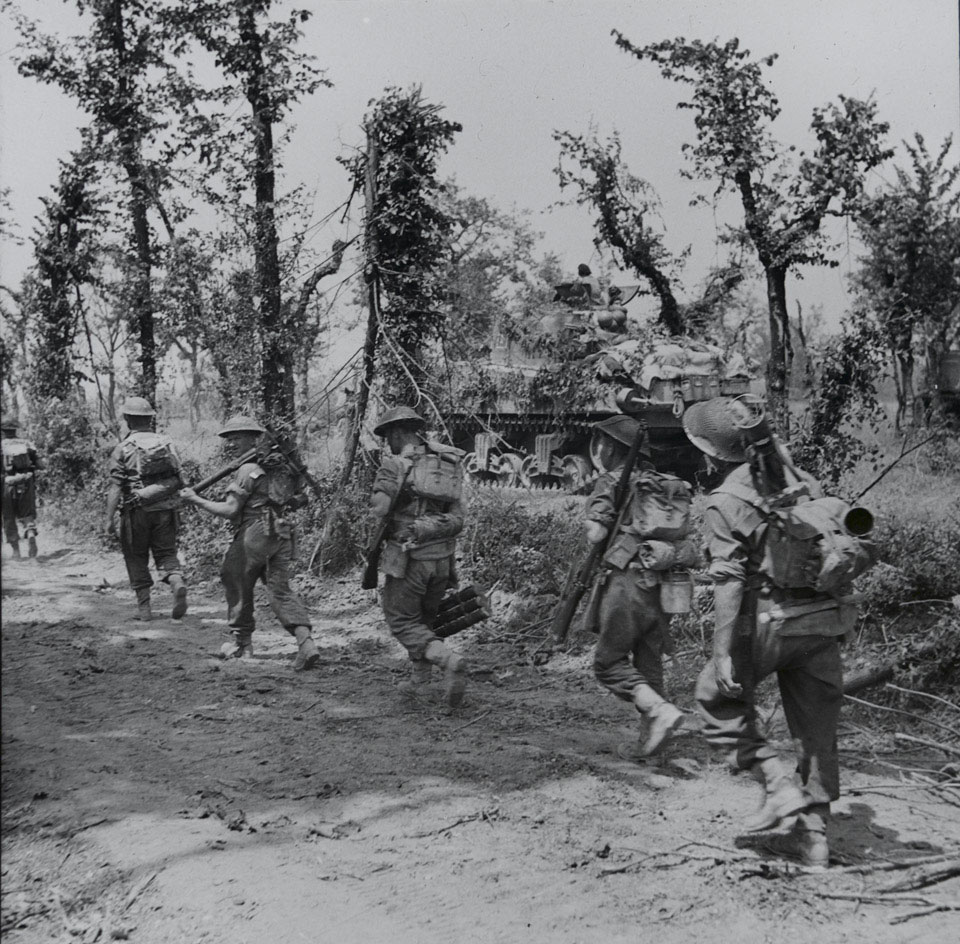
In early June 1944, the Irish Brigade continued the advance north of Rome. After a short interlude visiting the Vatican on 12 June, they fought a series of major battle engagements to the west of Lake Trasimene from 21 to 24 June 1944. After achieving all their objectives, the 78th Infantry Division was withdrawn from the front line and travelled, via Rome and Taranto, back to Egypt for 6 weeks of training (with occasional bouts of social activity in Cairo and Alexandra).
The Irish Brigade returned to Italy in mid-September 1944 and, after a long and confused journey north, joined up with the American-led 5th Army in the high Apennines south of Bologna/Imola. A most difficult winter followed, punctuated by bloody battles near to Monte Spaduro and in the San Clemente area. In February 1945, the brigade moved to Forli to the west of Ravenna before being moved to hold defensive positions close to the flood-banks of the Senio river in mid-March 1945 before celebrating a delayed and most convivial St Patrick’s Day.
April 1945 saw the Irish Brigade joining Operation Buckland, the final 8th Army push through the Argenta Gap, and all three battalions reached the banks of the river Po on 25 April 1945, Final Victory in Italy was declared on 2 May.
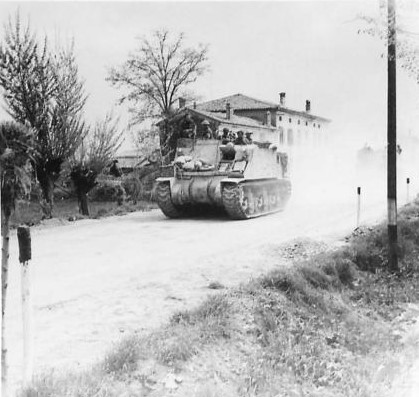
A few days rest followed before the brigade crossed into Austria on 8 May 1945. Over the following few weeks, they faced difficult assignments in settling frontier lines during face-face encounters with the Red Army and Tito’s forces moving north from Yugoslavia.
By the end of 1945, things had settled down considerably and the battalions were reorganised over the next few months with the war-raised 2nd Bn. London Irish Rifles being fully disbanded near Villach in the spring. 38 (Irish) Brigade formally ceased to existed in mid-1947.
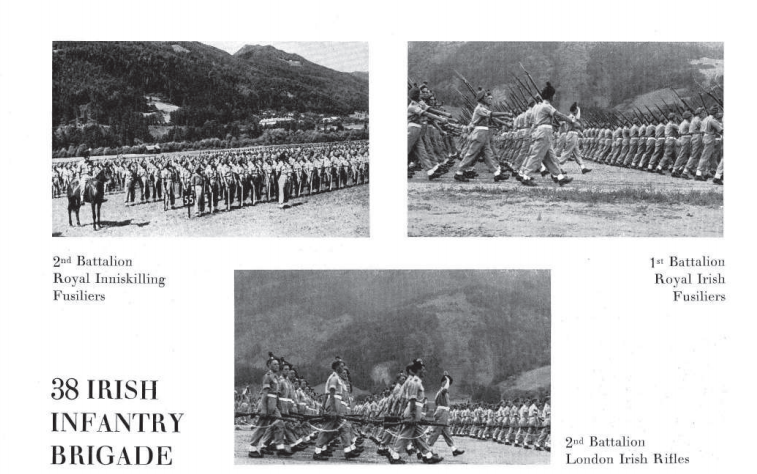
Further reading about the Irish Brigade during the Second World War.
‘The Wild Geese Are Flighting’: John Horsfall, 1976.
‘Fling Our Banner To The Wind’: John Horsfall, 1978.
‘The London Irish At War’: Old Comrades’ Association, 1948.
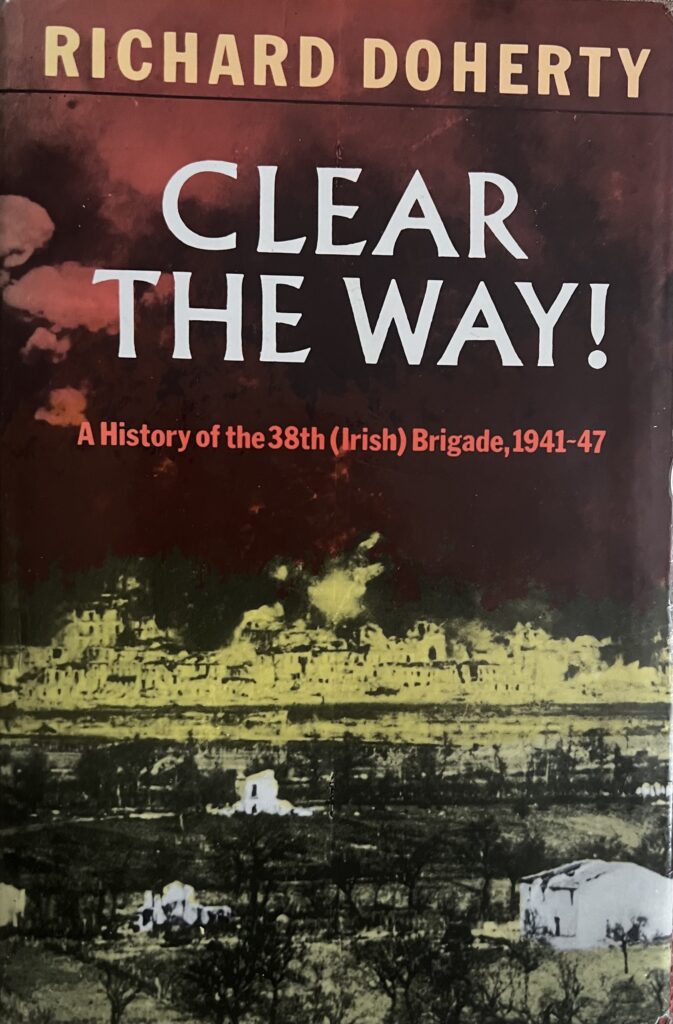
‘Clear The Way, A History Of the 38th (Irish) Brigade, 1941-1947′: Richard Doherty, 1993.
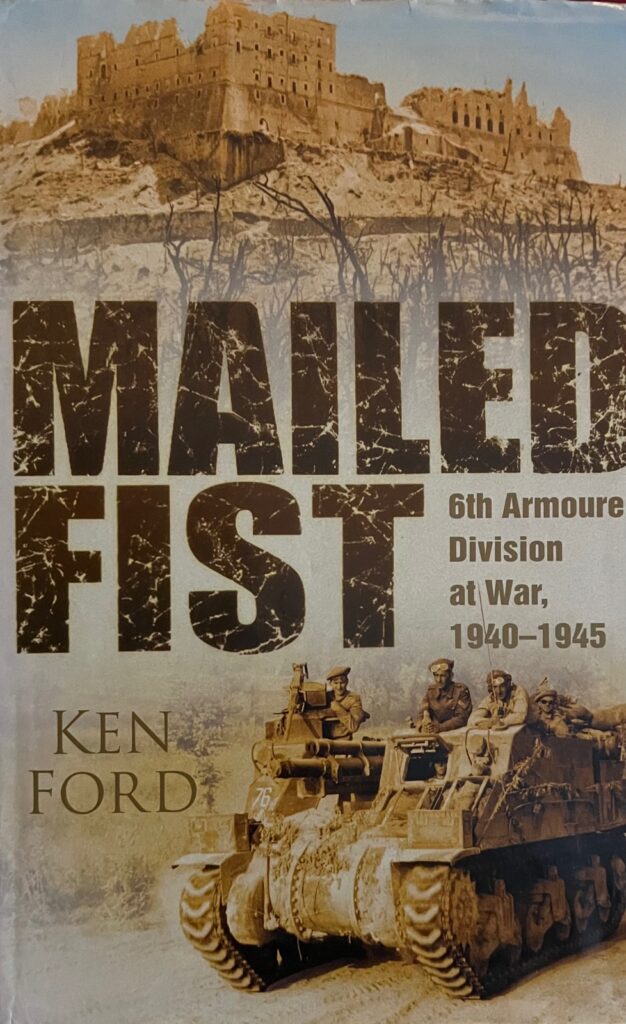
‘Mailed Fist, 6th Armoured Division At War, 1940-1945′: Ken Ford, 2005.
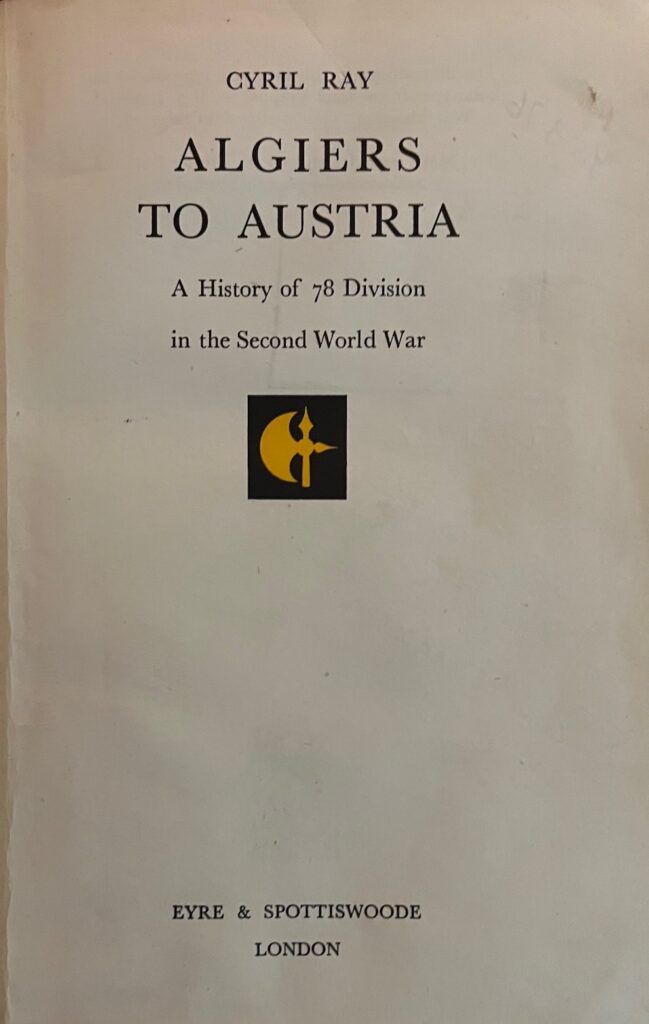
‘Algiers to Austria, A History Of 78 Division in The Second World War’: Cyril Ray, 1952.
‘Battleaxe Division’: Ken Ford, 1999.